The Maritime Industry and How You Can Benefit From It At Home!
Introduction
Unless you’ve been living under a rock these past few years, the maritime industry has held the limelight in global news on several occasions, to name a couple:
The Evergreen cargo ship blocking the Suez Canal driving up prices of goods for a few months.
Russian shadow fleet ships cutting internet cables and to this day are still being generally sneaky.
And as I write, the Strait of Hormuz is being blocked because Orange Mussolini needed a distraction from the Epstein Files.
So why am I sat here writing about it? As you may have noticed in one of our earlier blogs, I was using a Raspberry Pi to monitor a 3D printer, but that’s no longer needed with the latest and greatest printers coming with their own camera system. So I had a spare Pi 3b sitting around gathering dust. So I decided to try and make it work for me and in my digging I came across a new project with a big goal: MastChain
What is MastChain?
MastChain is a global community of people who help map the movement of ships by capturing real-time AIS signals (the radio messages ships broadcast to identify their location). Together, these receivers form a worldwide network building a live, tamper-resistant picture of maritime activity. (Are you putting together the pieces of why this is important yet?)
Well, why should I care?
MastChain claims to be the first maritime network that actually rewards contributors. Every participant who helps expand coverage and improve data quality earns a share of the value their work creates, through a blockchain token called tMAST. But more importantly, it helps make the ocean safer, helps ports know when ships will arrive, helps scientists study how ships affect the environment, and helps organisations understand ocean activity in real time! Neat!
Oh Gods, blockchain? Like Bitcoin?
Yes and no. Bitcoin could be seen as the first and largest instance of DePIN (Decentralised Physical Infrastructure Network) because it uses blockchain technology. But whereas Bitcoin these days can be seen as something akin to the stock market, the technology itself is really quite interesting. So how does it differ?
Well, Decentralized Physical Infrastructure Networks (DePINs) are networks that leverage blockchain technology to incentivize individuals to collectively create physical infrastructure.
Participants act as the backbone of each DePIN network, providing hardware resources in exchange for cryptocurrency rewards.
Examples of DePIN contributions include:
Sharing excess resources – Anyone can share their unused hardware resources (such as excess energy generated by their solar panels) within a specific network.
Building and maintaining infrastructure – Some DePINs incentivize the construction of new infrastructure (like cellular towers for a decentralized wireless network or charging stations for electric vehicles).
Providing services – Individuals can earn tokens by providing specific network tasks like data querying or computation.
Overall, DePIN projects aim to democratize technology by offering decentralized, crowd-sourced alternatives to traditional, centralized services.
https://www.kraken.com/learn/what-is-depinIn short: MastChain is a DePIN project specifically for maritime data — you plug in a cheap AIS receiver near the coast, it contributes ship-tracking data to a global network, and you earn crypto tokens in return. Think of it like a nautical version of community weather stations, but with blockchain incentives baked in.
Okay, so how do I get started?
Well, heading over to the website https://mastchain.io/ is a good start. MastChain are currently in the process of bringing out a plug and play system called MastNode, but as the project is still currently in Beta, you can get started with your own hardware, which is what I’ve done. So let’s go over the hardware required to get you up and running!
Please note that I’ll be supplying links that can get you hardware in Denmark!
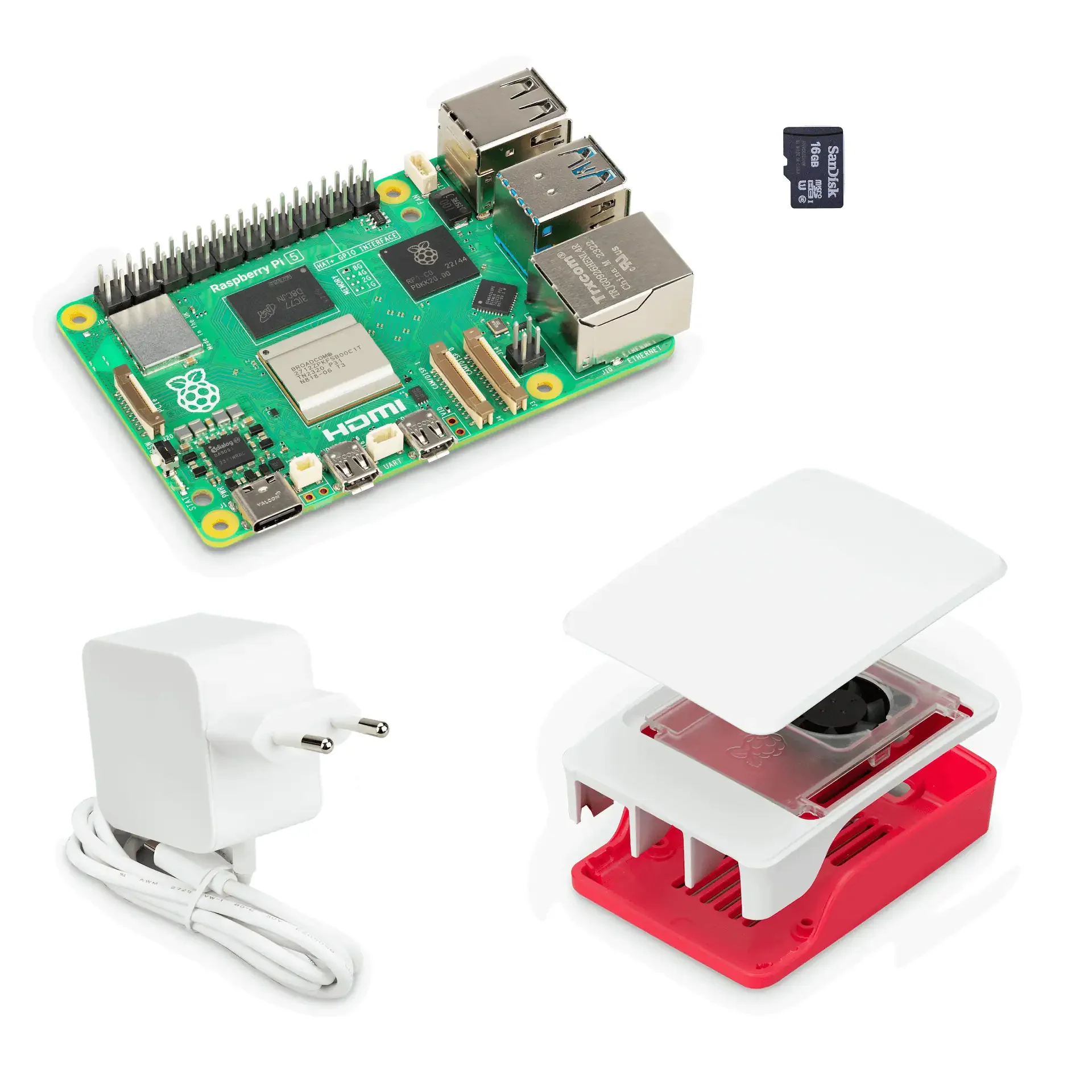
A Raspberry Pi is a good start. Currently, I’m using a Raspberry Pi 3b, but any of the newest models, like the Pi 5 will do the trick, even the Pi Zero 2 will work! Don’t forget to also buy a power supply and an SD card suited to the Pi.
You’ll also need another computer to setup up the operating system. This starter kit is a good start if you’re confused! You can buy an SD card with a Raspberry Pi OS already setup like this if you don’t have access to another computer.
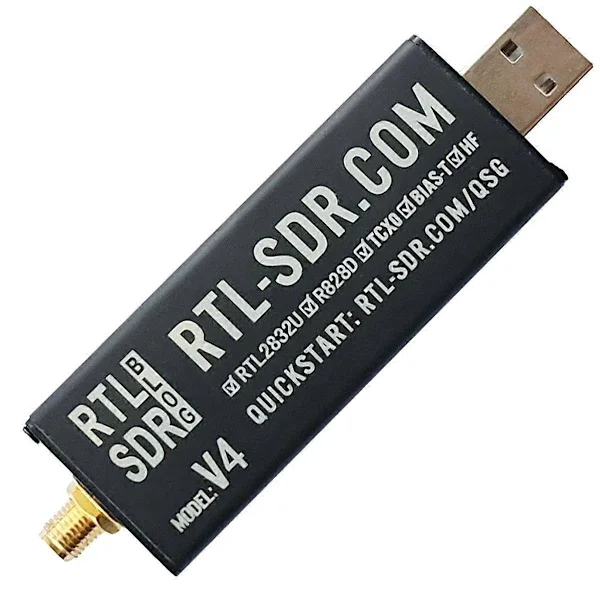
An AIS catcher compatible with the Pi. Currently, I’m using an RTL SDR V4, which is basically just a USB dongle with an antenna port. This is easy to setup with the Pi, in fact, it’s fairly plug and play! Just follow the hand guide over here: https://www.rtl-sdr.com/v4/. These dongles can be bought on their AliExpress page here.
Next, you’re going to need an antenna! You can buy a kit with the RTL SDR, but I don’t recommend it as it’s pretty weak, and you might get frustrated that it’s not working (it will work, but just might not be picking up any signals, I learnt this the hard way!)
So instead I’d recommend getting something like this to start out, but bear in mind you will need an adapter to connect to the RTL. The most important thing about the antenna is that its frequency range is between 161.975 MHz and 162.025 MHz.Total cost ~1500 DKK depending on sales, delivery, and which Pi kit you go for (I specified the 2GB RAM version for cost, as that will be just fine!)
And that’s it!
Well, kind of. Once you’ve gotten the basic hardware listed above, you’ll then have to start setting up your Pi, in which you can follow this handy guide: https://www.raspberrypi.com/documentation/computers/getting-started.html
Then head over to the MastChain website and follow the instructions to get started!